Citizens For Great Falls
Newsletter
| |
Volume 2; Issue 1;
January 2026
| | |  | From the Editor:
Dear Friends and Neighbors,
Happy New Year! As we welcome 2026, on behalf of President John Halacy, Vice President Manny Dacoba, and the entire Board of CFGF, I want to personally thank each of you for being such an integral part of Citizens For Great Falls. Your support and engagement make all the difference—and as we embark on another program year, you are at the heart of everything we do.
This year brings many changes and opportunities that will shape our community. With the General Assembly opening in Richmond, a new Governor and cabinet taking office, and transformative county initiatives on the horizon, our voices matter more than ever. Some of these proposals, like changes to school boundaries and the future of single-family residential zoning, directly affect the character of Fairfax County—and the place we all call home. I know these issues spark strong feelings, and I share your concerns about the real impact they could have.
As your advocates, we’re watching and closely tracking controversial policy changes, pushing for transparency, and fighting to keep our neighborhoods vital and livable. The conversation about housing affordability is critical, but rushing to authorize second dwelling units on every single-family lot or shifting zoning decisions away from local control could undermine what makes Great Falls and Fairfax County special. If you’re passionate about preserving the community’s character, I encourage you to read more in this issue and share your perspective with us.
Finally, our work depends on people like you. As a nonprofit, we rely on the energy and commitment of our members. If you haven’t renewed your membership—or if you’re thinking about getting more involved—now is the time. Your participation truly counts.
Please help us grow our membership by forwarding this Newsletter and asking your friends and neighbors in Great Falls to join us. It's easy, just go to our web page www.citizensforgreatfalls.org and click on the Join Tab.
Help us continue to advocate for the community we love. Together, we can make a real difference. Thank you for your support and for helping shape the future of Great Falls.
Warm regards,
Peter Falcone, Editor
| Community Update:
School Boundary Review and Upcoming Decisions
Stay Informed About Proposed Boundary Changes for Our Schools!
Why this matters: Proposed school boundary changes could affect where your child attends school—now or in the near future.
What’s happening:
FCPS is required to review school boundaries every 5 years.
An 18‑month review is underway and ends January 22, 2026.
The Superintendent has shared recommended boundary changes with the School Board.
What could affect our community?
- Forestville ES & Great Falls ES: Currently expected to remain unchanged.
- Langley High School: Proposal may increase enrollment by shifting students from McLean HS.
Concern: This could overcrowd Langley and lead to future reassignment to Herndon HS, which many families oppose—especially those families located in the western reaches of Great Falls and south of Route 7.
How decisions were shaped:
- FCPS held multiple community meetings which were facilitated in part by School Board Members and Thru Consulting LLC. Several boundary scenarios were reviewed (neighborhoods, split feeder continuity, overcrowding).
- Many families remain concerned about how much community feedback actually influenced the recommendations and about transparency of enrollment data used to justify changes.
What you should do (important dates)
- Review the Superintendent’s updated recommendations posted Thursday, January 15 on BoardDocs and the FCPS website.
- Speak up (optional but impactful)
Public Hearing: Thursday, January 22 at 6:15 p.m.
- Location: Luther Jackson Middle School
Sign up to speak by: Tuesday, January 20 at 4:30 p.m.
Register to speak here:
https://docs.google.com/forms/d/e/1FAIpQLSf5FZnMX7y-oE0DImbsokeciiiqtzbVZMuPckCEXo2dnR0xjA/viewform
Speakers are notified by email by January 21.
- Know when the decision is made
- Final vote: Thursday, January 22 at 7:00 p.m. The School Board will vote on boundary changes and how they will be implemented.
Stay informed. Stay engaged. Our voices matter.
What Can You Do to Make Sure Your Voice is Heard?
Step 1: Get clear on the ask
- When communicating with FCPS or School Board members, keep the message focused:
- We want FCPS to publicly demonstrate measurable improvements in school performance—academic outcomes, staffing stability, and student supports—before shifting students or increasing capacity at other schools.
Key points to reference:
- Performance data (SOLs, growth measures, graduation rates, chronic absenteeism)
- Staffing and retention trends
- Program quality and consistency
- Transparent benchmarks for improvement
Step 2: Review the data being used
Before reaching out:
- Review FCPS boundary materials and enrollment projections
- Look at School Profiles for affected schools on the FCPS website
- Note any gaps between enrollment/capacity arguments and academic performance trends
Step 3: Use simple, consistent language when contacting decision-makers like the list below via email or in person/virtually during FCPS Board Meetings
Who to contact:
- Your District School Board member
- The School Board Chair
- The Superintendent’s office
Step 4: Stay connected to FairfactsMatters and advocate for the children of Fairfax https://fairfacts.web.app/ | Fairfax County BZA Hearing: Rummler Appeal on Pickleball Court Authorization
Background of the Appeal
On January 7, 2026, the Fairfax County Board of Zoning Appeals (BZA) convened to consider an appeal by David and Megan Rummler. The Rummlers are neighbors who challenged a Zoning Use Determination made in 2025 by the Zoning Administrator. This determination states that a single pickleball court and future pavilion in the front yard of the property located at 9511 Georgetown Pike are by-right accessory structures. The Use Determination required that one of the pickleball courts and its fencing must be removed from the front setback.
Concerns Raised During the Hearing
During the hearing, witnesses offered testimony supporting the Rummlers’ appeal. They expressed concerns regarding two existing pickleball courts on the property, which had previously been the subject of county code enforcement actions. The primary issues were that these courts had been constructed without the necessary permits, were situated within the front setback of the Georgetown Pike property and caused nuisance noise unlike any other sports played on a court.
Arguments from County Staff
County staff presented their rationale for upholding the Zoning Administrator’s decision. They argued that, under their interpretation of the Zoning Ordinance, a pickleball court and an adjacent pavilion constitute an acceptable Accessory Use, even though such uses are not explicitly defined in the ordinance. Additionally, they stated the witnesses’ concerns about the noise associated with pickleball were not relevant to the specific issue before the BZA.
Testimony in Support of the Appellants
Witnesses, supporting the Rummlers, submitted research, case studies, and examples from Fairfax County, where the Park Authority had closed pickleball courts due to their proximity to neighboring residences. It was highlighted that the Authority had established setback standards for county-operated courts. Additionally, testimony referenced nationwide controversies and legal disputes centered on pickleball noise and related nuisance claims brought by neighbors and Homeowners Associations.
BZA Decision and Next Steps
Despite the testimony and concerns presented, the Board voted 5-2 to reject the Rummlers’ appeal and uphold the Zoning Administrator’s decision. Following this outcome, the Rummlers have a 30-day window from the date of the hearing to file an appeal of the BZA decision with the Fairfax County Circuit Court. | NEXT MEETING OF CFGF
Mark your calendars and plan on joining us on Monday, Jan. 26, 2026, for the next CFGF Meeting. All are welcome.
The Meeting will be on ZOOM and will begin at 7:00pm. Meetings usually last an hour and offer attendees to comment and offer questions.
For meeting details, members should look for a ZOOM invitation in your email inbox in the next several days. If anyone would like to attend, who is not a member, email CitizensForGreatFalls@Gmail.com
Look forward to seeing you then! | | Your CFGF Board of Directors and
Organizational Leadership Team
President - John Halacy
Vice President - Manuel (Manny) Dacoba
Secretary - Jennifer Falcone
Treasurer – Vacant
Director – Maria Dacoba
Director – Peter Falcone
Director – Domenica Lopez
Director – Jacqueline Malkes
Director – Lindene Patton
| | | The Return of the Unified Sanitation District Topic
Following Town Halls in Springfield and Dranesville Magisterial Districts and a majority of attendees asking for hard data and cost estimates, the staff withdrew, and on August 26, 2025, the Board of Supervisors deferred a public hearing on USD indefinitely to allow for evaluation of additional options. Now, county staff have announced meetings with private haulers and with HOAs and Civic Associations to discuss the Unified Sanitation District proposal. The details of the community were posted on the county website, however, no new details on the USD plan have been published: For detail on the meetings go to the County USD Webpage
CFGF joins other concerned citizens in questioning why participation in this new round of talks has been limited by staff to only one representative from each HOA and civic association. This limitation will unnecessarily minimize feedback from affected members of the community.
Here is an excerpt from the county webpage:
USD HOA Leadership Forum
“Fairfax County will hold a dialogue with Homeowners Association (HOA) leadership representatives about the proposed Unified Sanitation Districts (USD). One person from homeowners or civic associations representing communities with single-family or attached homes that bring their trash to the curb are invited to complete a survey and attend. If your HOA did not receive an invitation to the forum and survey, please email trashmail@fairfaxcounty.gov.”
Date: Tuesday, February 3, 2026
Time: 6:00 pm to 8:00 pm
Location: Microsoft Teams Virtual Meeting
(We have requested an invitation to attend on behalf of CFGF).
We received comments from industry and the HOA communities in response to the announcement. One private hauler has posted his comments, and community concerns he has received:
Community and Industry Feedback
- Key Questions for the County, not to mention the potential $1,000,000,000.00 capital investment.
- Cost Savings: Can the County guarantee actual cost savings for our HOA?
- Service Quality: Can the County promise better service than what we currently receive?
- Recourse: If service is unsatisfactory, what recourse will HOA’s have?
- Current Standards: Can you guarantee our current level of service, including twice-a-week trash pickup, back door service, or parkouts?
- Customization: Under a one-size-fits-all approach, how will we maintain the customized service we have now? Twice a week service, front door service, white glove service.
- Amenities: Our contractor services pools, tot lots, and community centers. Will you guarantee that won’t change?
- Direct Access: We have a dedicated representative at the trash company available even after hours. Will the County provide the same?
- Community Benefits: Our contractor sponsors events, provides temporary cans, and supports our swim team. Will these benefits continue?
- Equipment Choices: We chose smaller trucks for our community. How will the County guarantee we can still request this?
- Flexibility: Town hall meetings mentioned “custom” services, but details are unclear. How can flexibility exist under a Unified Service District?
- Guarantees: How can you guarantee any of these commitments?
- Why Change?: Why should we let the government take over something that already works well for us?
|  | | Legislative Update
Virginia General Assembly Session – 2026
Overview
The 2026 Virginia Legislative Session has opened, and Bills are being submitted that affect a wide cross-section of public interest. By the end of the session, thousands of Bills will have been sponsored, but fewer Bills will be signed into law. It is an almost daily task to keep up with what is being proposed. There are many proposals that prioritize regional concerns, particularly those in Northern Virginia, with a focus on education, public safety, economic growth, healthcare, and the environment. For Fairfax County and communities like Great Falls, increased school funding and infrastructure improvements are expected to benefit students directly.
Also, the annual push for statewide zoning reform has sparked strong reactions, especially as it might impact communities that are largely based on single-family residential zoning. Several Bills already filed seek to address housing affordability with increases in density. But, many residents are concerned that such land use decisions are best left to localities and that one-size-fits-all legislative formulas threaten harm, especially to the environment, and should take into account infrastructure.
Major Policy Areas and Notable Legislation
• Education: Residents advocate for increased school funding, higher teacher pay, and substantial facility upgrades. Key debates include expanding pre-K access, revising standardized tests, and addressing higher education affordability through tuition controls and new loan programs.
• Public Safety: Efforts continue to focus on gun violence prevention, safe firearm storage laws, and criminal justice reforms such as revised sentencing guidelines and alternatives to incarceration. These initiatives are being shaped by strong local advocacy and evolving policing strategies.
• Healthcare: Priorities for the session include broadening Medicaid access, improving mental health services, and expanding telehealth. Legislators are also evaluating drug price regulations and seeking ways to improve healthcare access in underserved communities.
• Economic Development and Labor: The region supports attracting technology industries, promoting small business growth, and investing in workforce training. Lawmakers are also discussing minimum wage increases and strengthening worker protections.
• Gaming/Casino Legislation: Plans for a large casino in Fairfax County are being reconsidered, with lobbyists and supporters highlighting economic and job benefits, while critics worry about community impact, traffic, social costs, and future precedents. Residents stress the need for transparent decision-making and careful review of long-term effects.
• Environment and Energy: Rapid growth prompts policies for clean energy, climate change mitigation, and environmental regulation targeting flooding and air quality concerns.
Commentary: Zoning Reform-A Threat to Community Identity and Local Control
There is a growing concern surrounding the introduction of sweeping, uniform statewide zoning reform proposals during this legislative session. These "one-size-fits-all" measures, intended to tackle housing affordability, density, and land use, pose an urgent threat to the very fabric of neighborhoods throughout Northern Virginia. While proponents claim they will eliminate hurdles to new development in high-demand regions, local governments and community organizations are sounding the alarm: the loss of local decision-making could mean the destruction of cherished neighborhood character and the erosion of the values that have defined these communities for generations.
Concerned residents are increasingly vocal, warning that these proposals risk irreversible change and undermine the unique identity and stability of their cities and suburbs. They call for vigilance and immediate action, demanding that any reforms be carefully tailored to safeguard what makes Northern Virginia’s neighborhoods truly special.
Public Participation and Advocacy
Now, more than ever, the people of Northern Virginia face a crossroads that will define the heart and soul of their neighborhoods for generations to come. The sweeping zoning reform proposals aren’t just abstract policies—they have the power to reshape the streets where children play, the parks where families gather, and the local businesses that give each community its distinct flavor. This is about more than regulations; it’s about preserving the unique spirit and safety nets that residents have worked so hard to build. By engaging in public hearings, contacting representatives, and supporting community forums like Citizens For Great Falls, you and your neighbors can play a vital role in defending their way of life, protecting the places and traditions they cherish, and ensuring that future growth reflects the values and voices of the people who call Northern Virginia home.
Looking Ahead
The debates over zoning reform and other community-focused proposals will likely require bipartisan cooperation and ongoing engagement from Northern Virginia stakeholders. Residents are encouraged to monitor legislative developments, participate in advocacy, and stay connected to ensure their voices help shape policy outcomes that reflect the region’s priorities.
Key Legislative Dates
Session Started: January 14, 2026
- Bill Filing Deadline: January 29, 2026
- Committee Crossover: February 18, 2026
- Session Adjournment (Sine Die): March 12, 2026
This update provides a broad overview; for detailed bill tracking and community-specific analysis, consult the official Virginia Legislative Information System: https://lis.virginia.gov/resources.
| County Zoning Reforms: A Call to Action for Accessory Living Units
Community Voices Needed on Proposed Relaxation of ALU Restrictions
Help Shape the Future of Housing in Our County
Across the nation, community planners are proposing forward-thinking solutions to address housing shortages, improve affordability, and create more flexible living arrangements. Fairfax County is part of this movement. The County Land Use staff has recently introduced proposed zoning reforms aimed at relaxing restrictions on Accessory Living Units (ALUs)—also known as in-law suites, granny flats, or backyard cottages. These reforms have the potential to significantly impact our neighborhoods, making community input essential as the county evaluates these changes.
County Engagement and Upcoming Meetings
The County is currently considering modifications to its regulations on Accessory Living Units and is actively seeking community participation. To facilitate this, virtual community meetings are scheduled for January 20 and January 21. These meetings will present the same information, with multiple times offered for greater flexibility. No registration is necessary for attendance.
- Tuesday, January 20, at 12:00 p.m.
- Wednesday, January 21, at 7:00 p.m.
As part of the Zoning Ordinance work program, directed by the Board of Supervisors, county staff have begun exploring revisions to ALU regulations. Potential changes may address permissions, size limitations, minimum lot sizes, occupancy, and related standards. Details about the meetings and additional project information are available on the County website: https://www.fairfaxcounty.gov/planning-development/zoning-ordinance/amendments/accessory-living-units
Currently, no public hearings for the Zoning Ordinance amendment have been scheduled. If you cannot attend the meetings, recordings will be provided afterwards. For further questions or comments, contact casey.judge@fairfaxcounty.gov or carmen.bishop@fairfaxcounty.gov, or call 703-324-1314.
Understanding Accessory Living Units
Accessory Living Units are self-sufficient residential spaces located on the same property as a main dwelling. They might be basement apartments, converted garages, or separate small buildings in the backyard. Proponents of ALUs suggest that they offer valuable flexibility for multigenerational households, can generate additional rental income for homeowners, and contribute to alleviating the demand for affordable housing.
Proposed Changes to ALU Regulations
Many current zoning codes either heavily restrict or prohibit the construction and use of ALUs. The proposed reforms seek to ease these limitations, making it simpler for homeowners to build and rent accessory units. Potential adjustments include reducing minimum lot size requirements, relaxing parking mandates, and streamlining the permitting process. The goals of these changes are to:
- Increase the availability of affordable housing in established neighborhoods
- Support families accommodating aging relatives or young adults
- Enable homeowners to earn supplemental income
- Promote the sustainable and efficient use of existing properties
Potential Negative Impacts of Proposed ALU Regulation Changes
Though reforms to Accessory Living Unit (ALU) regulations aim to increase housing options, they may have downsides for established neighborhoods:
- Single-Family Zoning: Relaxing ALU rules will change the character of single-family areas by increasing housing density.
- Infrastructure Strain: More units will stress septic systems and private wells.
- Environmental Impact: Building on smaller lots (as small as 3,000 sq ft) may reduce green spaces, affect tree canopy, and worsen runoff, impacting local ecosystems and aesthetics.
- Higher Occupancy: ALUs could mean the possibility of two families living in each townhome.
- Parking Issues: Fewer off-street parking requirements and more residents per lot may create congestion, safety risks, and limit emergency access.
Balancing these challenges with the benefits is crucial, and community input will help guide thoughtful growth and preserve neighborhood quality.
The Importance of Community Input
Zoning reforms play a critical role in shaping the character and future of our communities. While many recognize the benefits of ALUs, concerns remain regarding potential effects on traffic, neighborhood density, infrastructure, and property values. CFGF urges you to:
- Attend Public Meetings: The County Planning Board will host several public forums in the coming weeks. Meeting dates and locations are listed on the county’s website.
- Submit Written Comments: Share your feedback, concerns, or support via email to the Planning Commission Plancom@fairfaxcounty.gov .
- Speak with Your Elected Representatives: Contact our Dranesville District Supervisor, James N. Bierman, Jr., DranesvilleBOS@fairfaxcounty.gov to express how these reforms may impact you and your neighborhood.
- Spread the Word: Encourage friends and neighbors to learn more about the proposed changes and to engage in the discussion.
The Time to Act Is Now
Fairfax County continues to grow and change, CFGF encourages thoughtful reforms to meet the needs of both current and future residents. Your involvement is vital in creating policies that reflect our collective values and vision. We encourage you to stay informed, participate, and make your voice heard in this important conversation about the future of housing in our county.
|  | | Battery Energy Storage Systems (BESS):
Zoning Ordinance Amendment Proposed
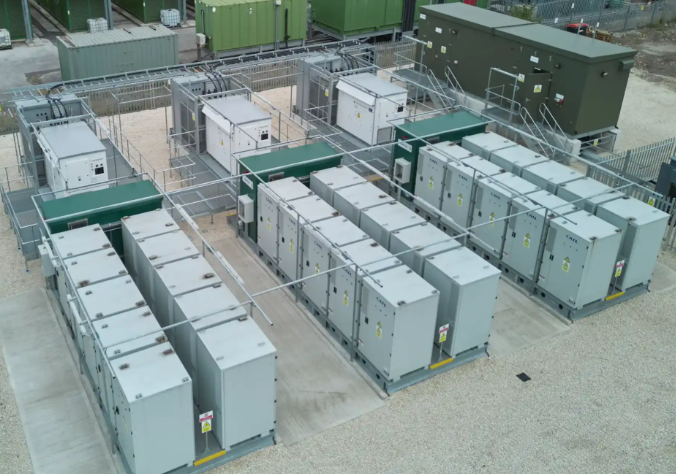
On January 13, 2026, the Board of Supervisors authorized public hearings on a proposed Zoning Ordinance amendment for Large-Scale Battery Energy Storage Systems. The proposed permissions and standards are intended to provide for the siting of large-scale battery energy storage systems while addressing public safety and compatibility. Standards address topics like setbacks, screening, noise, and safety.
Overview of BESS and Clean Energy Initiatives
Battery Energy Storage System (BESS) facilities play a critical role not only in supporting the electrical grid but also in advancing clean energy initiatives and decarbonization objectives. The Virginia Clean Economy Act of 2020 established a renewable portfolio standard, mandating that Dominion Energy and Appalachian Power, the state’s two largest investor-owned utilities, achieve 100 percent carbon-free energy by 2050. Dominion Energy serves the majority of Fairfax County residents and is required to meet specific energy storage targets by 2035. Under these targets, Dominion must build or acquire 2,700 megawatts (MW) of energy storage capacity, with at least 35 percent procured from private entities selling capacity to the utility.
Current BESS Projects in Fairfax County and Surrounding Areas
At present, Fairfax County does not host any large-scale BESS facilities. In 2024, a private utility submitted a pre-application for a proposed 20 MW BESS project in the county, but the application has not progressed beyond the pre-application stage. By contrast, neighboring jurisdictions have approved significant BESS projects: Loudoun County approved a 20 MW facility in 2024, and Fauquier County approved its first BESS, a 100 MW installation, in September 2025.
Zoning Regulations for BESS Facilities
According to Fairfax County’s Zoning Ordinance, a battery energy storage system operating as a principal use—rather than as an accessory to another principal use—is classified as a light utility facility. This designation covers facilities that distribute or collect utility services or products, rather than those that produce them. The current zoning rules stipulate where BESS facilities are permitted:
• By right: I-3, I-4, I-5, and I-6 districts
• By special exception (SE): residential districts, commercial districts, I-2 district
• SE or if shown on the development plan: planned districts
• Not allowed: R-A, I-I, PCC districts
Community Feedback and Data Center Growth
In July, the Citizens For Great Falls (CFGF) provided comments on proposed zoning ordinance updates intended to permit BESS development. CFGF highlighted the increasing energy demands driven by data center expansion, particularly in Northern Virginia. A 2024 JLARC study (https://jlarc.virginia.gov/landing-2024-data-centers-in-virginia.asp) predicted that electricity demand could double over the next decade, prompting projects such as Dominion Energy’s Edsall Substation to support local data center operations.
The rapid growth of data centers, accelerated by advancements in artificial intelligence, is intensifying the demand for energy and infrastructure. CFGF expressed concerns that, while the proposed zoning changes may improve resiliency and energy capacity, they could also facilitate the widespread development of BESS facilities across various zoning districts, primarily motivated by private investment interests. This raises fears of unchecked proliferation.
Risks and Safety Considerations
Industry forecasts suggest that the U.S. BESS market could reach $1.49 trillion by 2034, with significant growth anticipated where data centers and grid upgrades intersect. However, increased deployment of BESS facilities near residential areas, particularly those serving data centers, introduces new risks beyond noise, including the potential for fire, explosions, and toxic gas releases.
CFGF supports the implementation of additional safety measures, such as increased setbacks, fencing, water supply for fire protection, and emergency planning. Nonetheless, some stakeholders argue that these steps do not fully address hazards such as BESS thermal runaway, which can result in severe fires and toxic emissions. Minimal setback requirements may not sufficiently protect neighboring communities.
Next Steps in the Zoning Proposal
The proposal to update zoning regulations for BESS facilities is moving forward. Public Hearings are scheduled before the Planning Commission on Wednesday, February 25, 2026, at 7:30 p.m., and before the Board of Supervisors on Tuesday, March 17, 2026, at 4:00 p.m.
The staff report is available on https://www.fairfaxcounty.gov/planning-development/zoning-ordinance/battery-energy-storage. For further information, the staff contact for this proposal is Jacqueline Kamp at jacqueline.kamp@fairfaxcounty.gov or (703) 324-9464.
| Community Voices: Fairfax Residents Stand Firm on Casino Opposition and
Advocate for Safer Roads, and Local Autonomy
Citizens For Great Falls Shares Key Legislative Priorities with General Assembly Delegation
Jennifer Falcone, representing Citizens For Great Falls and a Fairfax County resident, testified on Saturday morning, Jan. 7, 2026, along with more than 70 Fairfax County residents, at the 2026 Pre-General Assembly Public Hearing convened by the Northern Virginia Delegation. In the three minutes allocated to each witness, Falcone addressed the state delegation to voice strong opposition to proposed casino development in Fairfax County. Speaking on behalf of her community, Falcone emphasized that a majority of Fairfax residents do not support introducing a casino—a sentiment reflected in recent media reports and consistent with the county’s long-standing vision for growth. She noted, “A casino is not part of that vision, nor has Fairfax County sought legislative approval for one.”
Falcone also addressed the recommendation to establish a Virginia Gaming Commission. The commission would provide coordinated oversight to protect consumers, promote fairness, and ensure that gaming aligns with Virginia’s long-term objectives. Citizens For Great Falls supports a moratorium on new gaming facilities and online platforms until the new commission is fully operational, echoing the need for careful planning and oversight.
Beyond gaming, Falcone highlighted a crucial issue affecting all Virginians: transportation safety. In 2024, for example, speeding contributed significantly to fatal and serious injury crashes across the Commonwealth, revealing an urgent safety concern. While targeted enforcement helps, resource constraints limit its effectiveness. Falcone referenced analyses based on U.S. Department of Transportation data indicating that fixed speed cameras on urban roads can reduce crashes by approximately 50 percent. She urged the General Assembly to expand access to automated speed enforcement technologies—under proper oversight and transparency—to save lives, reduce the burden on law enforcement, and make roads safer for everyone.
Falcone concluded her remarks by advocating for the preservation of local authority over land use and planning decisions. She stressed that Fairfax County and other localities are already tackling major challenges such as energy demands from data centers, rising housing costs, and infrastructure needs. “Local officials best understand their communities,” Falcone said, “and they need the flexibility to craft solutions that fit, rather than statewide one-size-fits-all mandates.”
In summary, she outlined four legislative priorities:
• Reject casino authorization in Fairfax County.
• Establish a Virginia Gaming Commission and pause new gaming expansion until it is operational.
• Support automated speed enforcement to enhance road safety.
• Protect local control over land use and growth decisions.
These recommendations, Falcone emphasized, reflect the priorities of Fairfax residents: responsible planning, safe communities, and accountable governance.
The Citizens For Great Falls and their supporters thank the delegation for their ongoing service and consideration of these critical community concerns. Sign up for Casino legislation updates and calls to action here www.NoFairfaxCasino.org.
To review YouTube Video clip of this testimony and that of other community advocates who spoke at the hearing, here's the link: https://youtu.be/Ud6ThHrnU-s. | Volunteers are welcome
CFGF is an all-volunteer organization. We welcome the participation of our members and especially those who are interested in serving the organization in a leadership capacity. CFGF membership is $20 annually. Please consult the CFGF website for membership details. Reach out to a friend and neighbor and tell them about joining and the work we are performing--we appreciate it!
There is one remaining vacancy on the Board is for the office of Treasurer. Until such time as that office is filled, the duties of the Treasurer will be performed collaboratively by the President, Vice President and Secretary. Monthly reports will be available to the members.
| Schools are Open! Drive safely! | |